Cultural Tapestry of Farewell: Cultural Traditions and Social Fabrics of Indian Funeral Customs
Wiki Article
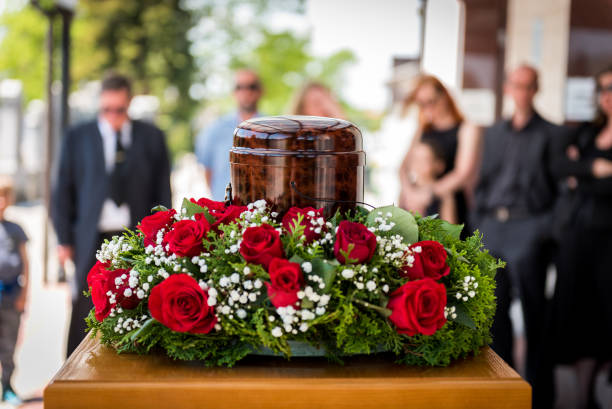
Within the vibrant subcontinental heritage of India, traditions associated with honoring an individual's passing stand as a timeless testament to community devotion. Across every regional territory, the traditions associated with honoring an individual's earthly chapter combine artistic beauty, historical reverence, and communal harmony. Far from viewing departure with isolated sorrow, these ceremonies strengthen social continuity, reinforcing family bonds, strengthening neighborhood networks, and preserving ancestral etiquette. The initial hours of the ceremonial gathering are observed with attentive care and respect. Family members gather to perform traditional preparation rituals preserved within family lines. The departed loved one is dressed in spotless traditional attire that reflect regional dress customs. White garments are most frequently chosen, reflecting social balance, harmony, and pristine beauty. Within specific regional groups, traditional textiles featuring intricate patterns or specific cultural colors are selected to celebrate an elder's wisdom and societal contributions. Fragrant floral arrangements play an irreplaceable role in these preparations. Fresh garlands crafted from bright orange marigolds, sweet-scented jasmine, pristine lotus blossoms, and colorful roses are layered gracefully upon the resting platform. This floral art serves a profound purpose; they express the collective affection and high esteem of the community. Anointing with cooling sandalwood, pure rose oils, and herbal extracts further highlights the aesthetic elegance and loving care embedded within the home-based preparations. Among the most celebrated social features in regional subcontinental customs is the ceremonial procession leading from the home toward nature's resting site. Referred to as a collective march of respect, this communal journey transforms private grief into a shared community event. Fellow villagers and urban neighbors join together in front of the family home, wearing simple white traditional attire to demonstrate solidarity and visual harmony. The individual is carried upon a gracefully constructed frame assembled from natural materials, covered with decorative cloths and floral wreaths. As the procession moves through the streets, participants share the responsibility of bearing the weight. This hands-on participation represents a meaningful tradition of fellowship, proving that grief is met with shared strength. Throughout several cultural zones, gentle instrumental music played on traditional flutes, drums, or bells accompanies the procession, creating a rhythmic and dignified atmosphere that informs the local district of a completed life journey. The extraordinary variety of Indian heritage is clearly visible in the varied funeral customs observed across different geographical regions and ethnic groups. Even as mutual respect and community participation stay identical throughout, the specific expressions vary dramatically from north to south, and east to west. Once the initial rites conclude, subcontinental tradition observes a dedicated period of domestic hosting, observed over nearly two weeks. Throughout these days, the household remains open as a hospitality space for guests arriving from nearby and far-off locations who arrive to offer support, food, and companionship. Hospitality during this period is a vital cultural requirement. Simple, nutritious vegetarian meals are prepared daily in large quantities so every guest is comfortably welcomed and nourished. This practice of joint dining creates strong emotional bonds, provides an opportunity to recount cherished personal stories, allowing the neighborhood to take care of all domestic chores for the family. The final day of the memorial period features a generous community gathering. Senior relatives recount the person's life history, good deeds, and values, ensuring that their oral history is transmitted to younger generations. Selfless acts of service—like sponsoring student materials, sharing food with local shelters, or donating textiles—are carried out to celebrate the person's legacy, building a lasting legacy of kindness and civic care.
Harishchandra Ghat Electric Crematorium Traditional communities in India meet this final transition with a unique blend of communal togetherness and structured ritualism. From the vibrant rural villages to the bustling urban centers, the collective gathering of relatives, neighbors, and friends underpins every step of the cultural farewell. This social tradition provides a supportive atmosphere where loved ones share comfort, honor lived memories, and preserve personal accomplishments.
Loving Preparation and Aesthetic Elegance
The White Procession: Community Solidarity in Motion
Cultural Feature
Traditional Medium
Cultural Significance
Clothing
Simple White Cotton Garments
Represents purity, equality, and shared grief.
Palanquin Frame
Handcrafted Local Bamboo
Shows natural elegance and traditional utility.
Floral Adornments
Fresh Marigolds, Lotus, and Roses
Represents honor, aesthetic beauty, and respect.
Natural Essences
Herbal Extracts and Rose Oils
Offers a fresh, dignified atmosphere.
Regional Expressions of Honor
Repatriation Services in India No matter if the community practices gentle earthen burial or ceremonial fire rites, the focus remains steadfastly on the cultural heritage of offering the individual back to nature's elements through practices that prioritize environmental respect and cultural grace.
Gatherings of Remembrance and Community Care
Final Reflections: Honor, Artistry, and Unity
Kudlu Crematorium These subcontinental customs demonstrate a beautiful example of social values, artistic traditions, and profound community solidarity. By transforming a moment of farewell into a dignified celebration of cultural heritage, these practices highlight the power of family bonds and social networks. Through beautiful floral arrangements, white-clad processions, regional artistry, and generous hospitality, Indian culture honors the journey of the individual while fortifying the enduring bonds of the community for generations to come.